Secure and prepare land
Develop the five-acre Kishanganj campus site with planning, approvals, access, and basic services.
 MBR EduCampus
Knowledge City
Support Us
MBR EduCampus
Knowledge City
Support Us
Action Plan
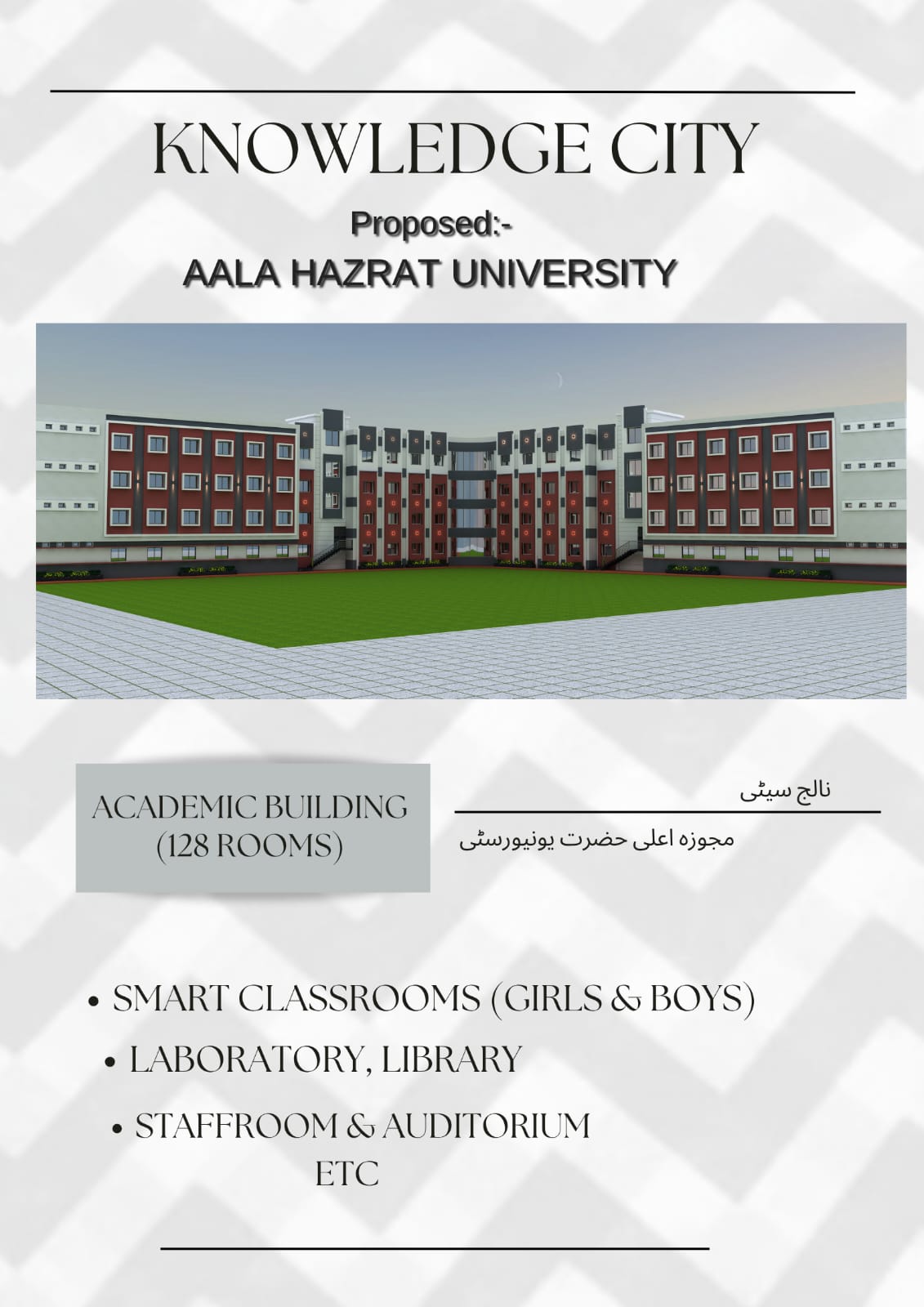
The Knowledge City action plan translates the education mission into physical infrastructure: classrooms, laboratories, hostels, administrative support, healthcare, prayer spaces, and student development facilities.
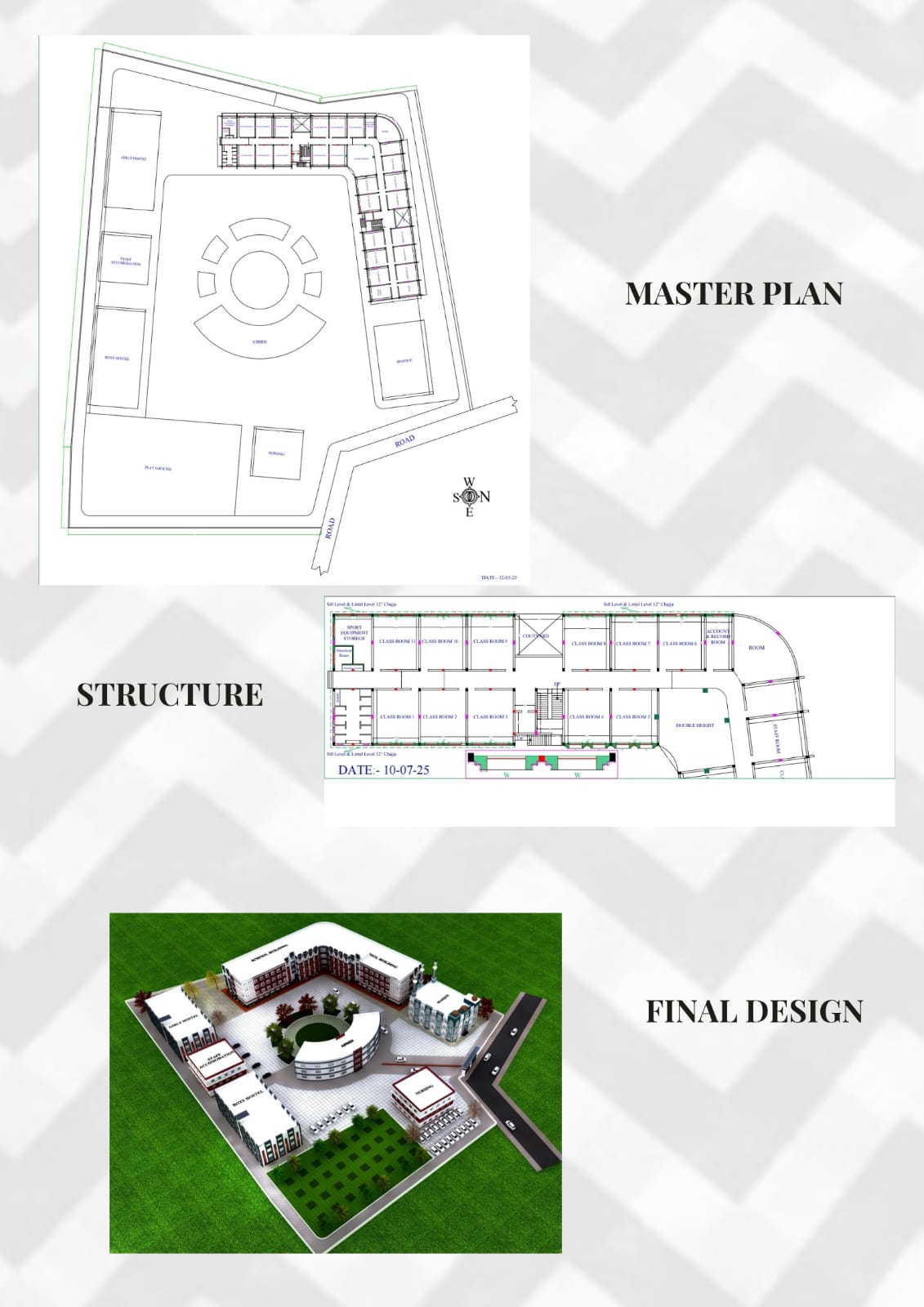
Phase 1
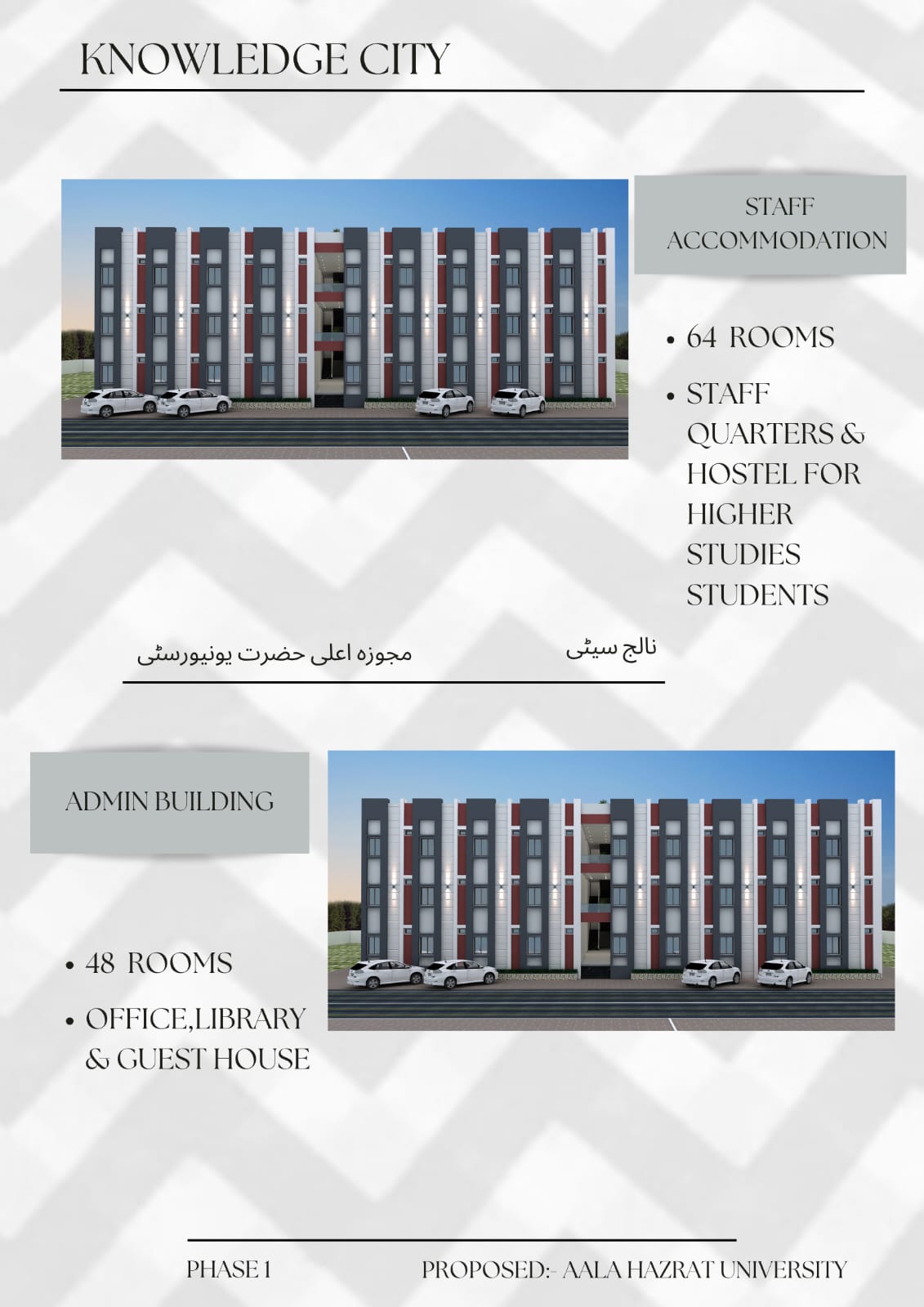
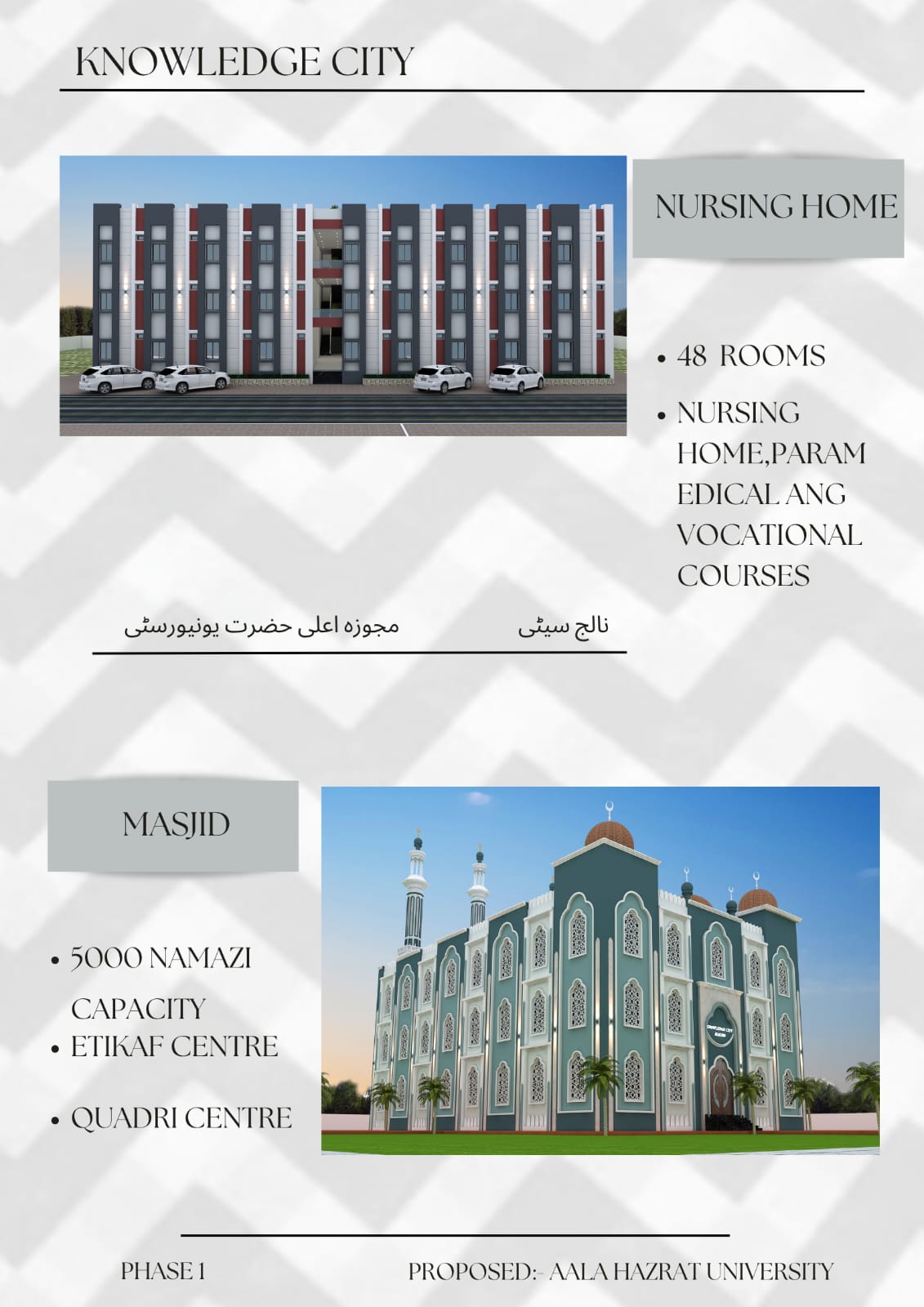
The campus plan organizes academic, residential, administrative, worship, healthcare, and service facilities into one integrated education environment.
Facility Plan

Execution Priorities
The plan is organized around immediate campus readiness, core education infrastructure, residential support, and long-term student services.
Develop the five-acre Kishanganj campus site with planning, approvals, access, and basic services.
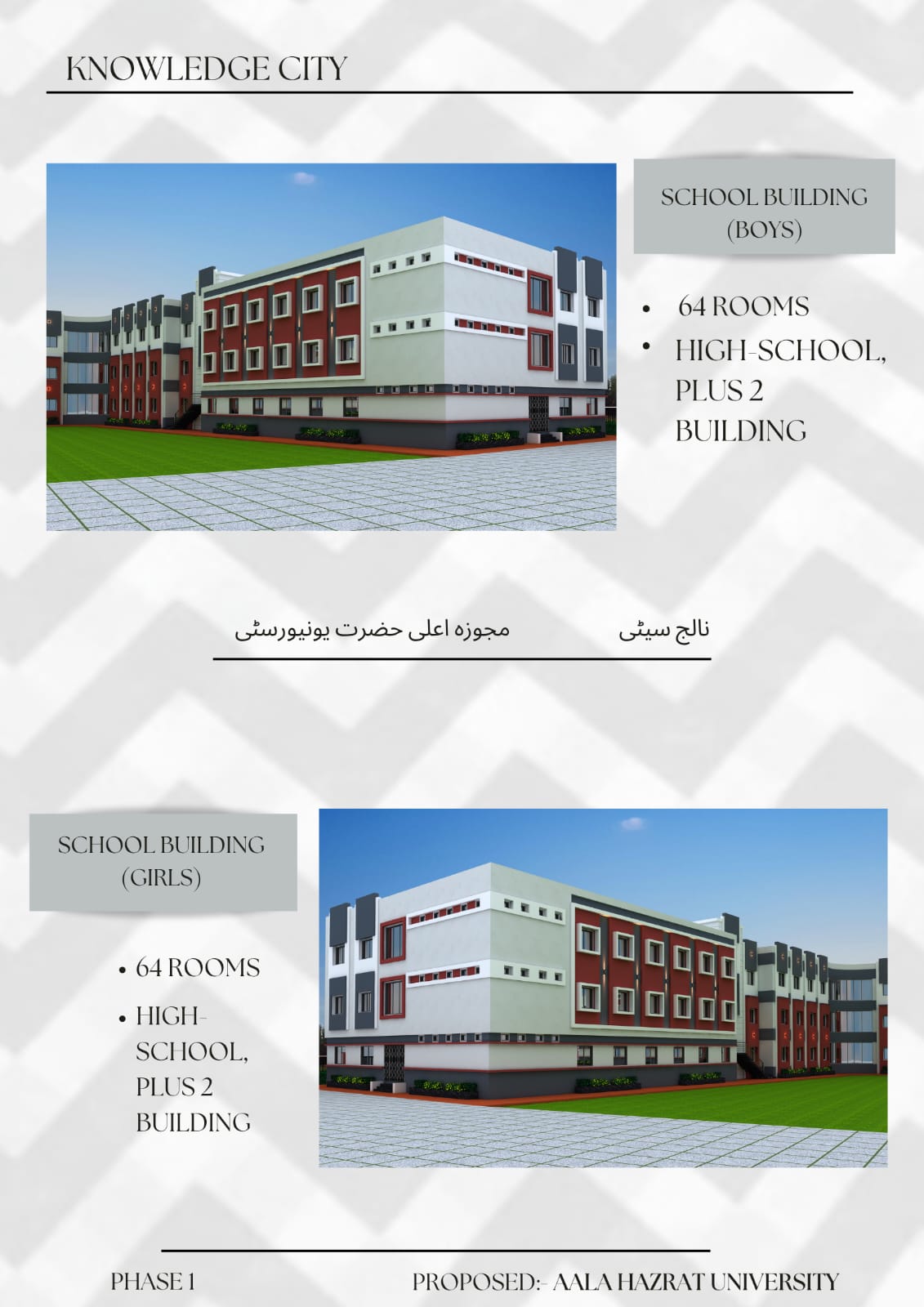
Create classrooms, laboratories, library, auditorium, staff rooms, and student learning spaces.
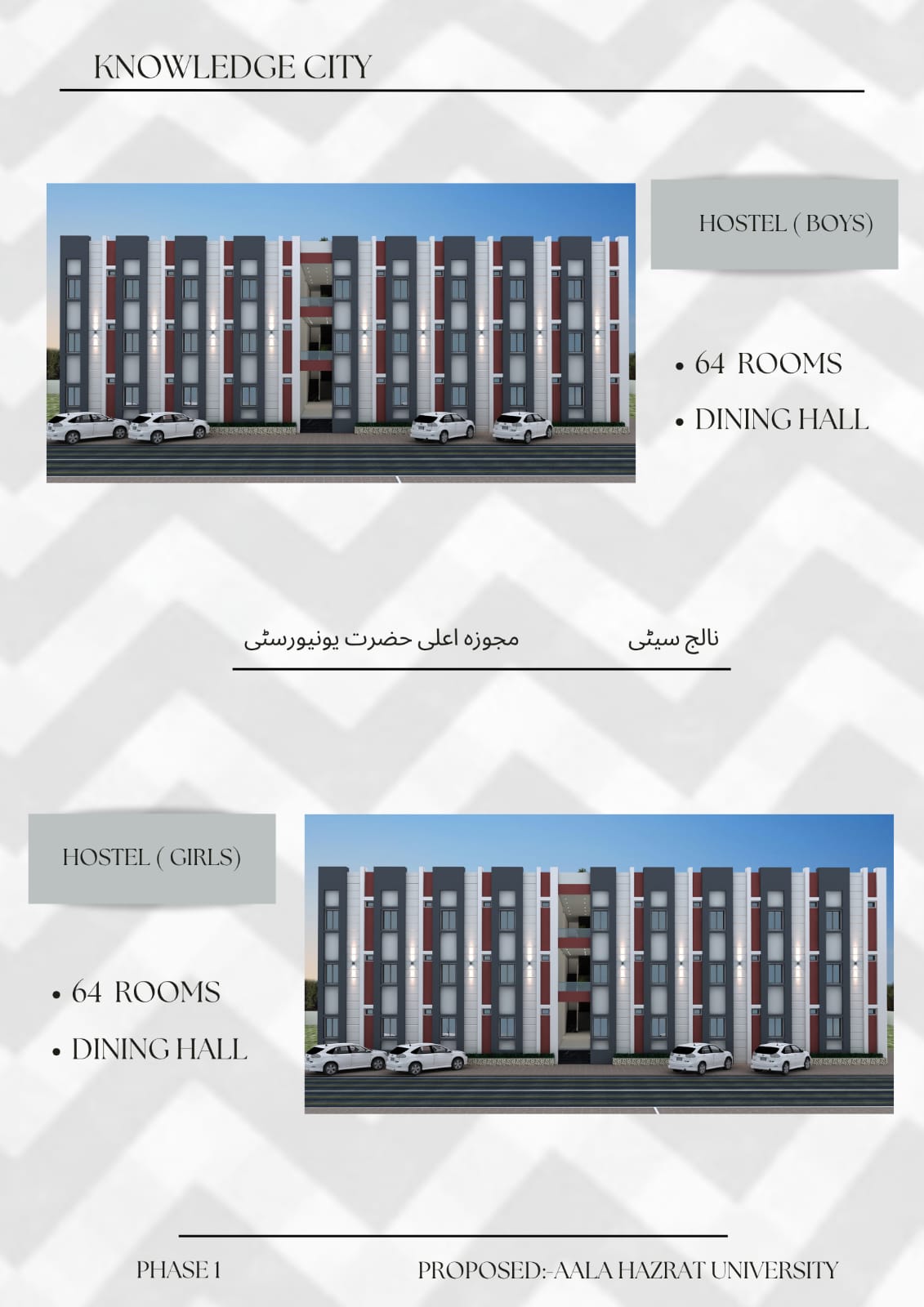
Construct hostels, dining halls, staff accommodation, and student-care facilities for sustained study.
Add vocational, healthcare, moral education, career guidance, and community development programs.
Program Development
Infrastructure is only the beginning. The campus also needs systems, people, routines, and student support programs that turn physical facilities into a living institution.
Establish grade-wise curriculum planning, teacher recruitment, assessment routines, remedial learning, digital learning support, science and computer lab usage, language development, and structured library periods.
Identify students from economically disadvantaged families through a transparent process, document need, prioritize marginalized communities, and build sponsorship channels for free or subsidized education.
Create hostel routines for study hours, meals, cleanliness, safety, mentorship, health checkups, parent communication, discipline, recreation, and emotional care.
Develop guidance for higher studies, vocational courses, competitive exams, communication skills, technology skills, internships, and exposure to professional role models.
Plan health camps, nursing and paramedical pathways, family outreach, awareness programs, and support services that connect the campus with the needs of the surrounding region.
Maintain clear accounts, donor communication, construction milestones, compliance records, staff roles, student data, annual reporting, and long-term maintenance planning.
Implementation Focus
The first priority is to make the campus usable for learning: safe access, classrooms, sanitation, electricity, water, staff spaces, and basic student services. Once the academic block begins functioning, the campus can steadily add specialized labs, library services, counseling, and digital learning.
Residential facilities are a major part of the plan because many students may come from distant or underserved areas. Hostels and dining halls should be developed with careful attention to safety, routine, nutrition, supervision, and study discipline.
As the institution grows, the action plan should expand toward vocational courses, healthcare support, higher education pathways, and community programs. This creates a campus that does not only educate children, but also supports families and strengthens the region.